Loops & Threads Impeccable Yarn Won’t Frog? Here’s the Fix
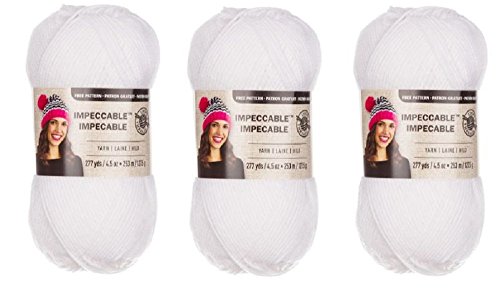
When you need to rip back a project worked in Loops & Threads Impeccable yarn, you might notice the stitches cling stubbornly instead of gliding apart. That resistance isn’t a flaw—it’s a direct result of the tightly spun acrylic construction that makes Impeccable durable and budget-friendly.
Understanding why this yarn resists frogging, and how to coax stitches apart without splitting the fiber or losing your place, saves both time and frustration. We’ll walk through the mechanics behind the issue and show you three reliable techniques that work every time.

Why Impeccable Yarn Resists Unraveling
Loops & Threads Impeccable is a worsted-weight 100% acrylic yarn spun with a tight Z-twist. That construction grips adjacent stitches firmly, which contributes to the yarn’s excellent stitch definition and minimal splitting during crochet or knitting.
When you try to frog, each loop has wrapped around its neighbor under moderate tension, and the smooth acrylic surface increases friction rather than allowing easy slide. High chairs and other child gear often use similar synthetic fiber construction because durability and washability matter more than ease of disassembly—the same trade-off applies here.
The tighter the gauge you worked at, the more each stitch locks into place. Recognizing this behavior as intentional design rather than a manufacturing defect helps you choose the right frogging approach from the start.
The Steam-and-Pull Method for Stubborn Sections
Hold a garment steamer or steam iron six inches above the section you want to frog, allowing the heat to penetrate for ten seconds without touching the fabric. Acrylic softens slightly under steam, reducing friction between loops.
Once the fibers relax, insert your working needle tip into the live stitch on your hook or needle, then gently pull the working yarn tail while supporting the fabric with your free hand. The stitch should release smoothly. Work one stitch at a time rather than yanking a long tail, which can snap the yarn or cause it to split along the twist.
If you encounter a knot or a particularly tight spot, steam that area again for five seconds and wait until it cools slightly before continuing. This method works especially well on garments worked at tight gauge or after the piece has been blocked.
Using a Blunt Tapestry Needle to Isolate Stitches
Thread a blunt tapestry needle onto the working yarn tail and insert the tip into the center of the stitch you want to release, threading it through the same path the original stitch followed. Gently wiggle the needle to loosen the loop, then pull the yarn through.
This technique lets you control exactly which stitch opens, preventing accidental unraveling of adjacent rows. For crochet projects, aim the needle through the top two loops of each stitch; for knitting, follow the leg of the stitch from back to front.
Blunt metal needles work better than plastic because they slide more easily against acrylic. The same precision approach applies to other worsted-weight yarns with tight construction—readers comparing budget options often look at alternatives to Lion Brand, and the frogging behavior across those lines is nearly identical.
Preventing Pilling and Damage While Frogging
Each time you frog and re-knit acrylic yarn, the fiber surface picks up microscopic abrasion. After two or three rounds of frogging the same section, you may notice slight pilling or a fuzzy halo forming.
To minimize wear, always pull the yarn in the direction opposite to the original working direction—if you knit or crocheted left to right, frog right to left. Keep tension light and pause every few stitches to let the yarn relax.
If pilling does develop after frogging, a fabric shaver removes the fuzz without damaging the underlying yarn structure. Impeccable yarn pilling after washing follows a similar repair process, and both issues respond well to the same tools.
Frogging Impeccable Without the Frustration
The same tight spin and durable construction that make Loops & Threads Impeccable a reliable worsted-weight choice also mean frogging requires patience and the right technique. Steam, a blunt needle, and controlled tension let you recover stitches cleanly without damaging the fiber.
Once you’ve practiced these methods on a swatch, frogging becomes predictable rather than risky. Keep your tools simple, work one stitch at a time, and the yarn will cooperate—even when it initially feels locked in place.
Common Questions About Frogging Impeccable Yarn
Yes, but insert the hook from the back of the work to avoid splitting stitches. A hook one size smaller than your working needle lets you catch individual loops without snagging adjacent yarn. Pull each stitch through gently and place it back on the needle before moving to the next.
Single crochet stitches are shorter and tighter, so they grip more firmly. Use the steam method or a tapestry needle for single crochet. Double crochet and taller stitches have longer legs and more open structure, so a simple pull on the working yarn often suffices without added tools.
Frogging alone does not alter dye or hand. However, if you steam the yarn during frogging and then re-knit without letting it rest, slight relaxation of the twist may make the new fabric feel marginally softer. The color remains stable because acrylic dye is locked into the fiber during manufacturing.
Two to three frog-and-rework cycles is the practical limit before surface abrasion becomes visible. After that, the yarn may pill or develop a slightly fuzzy texture. If you need to practice a stitch pattern repeatedly, reserve a fresh skein for the final project and use older yarn for swatches.
Yes. Frogged yarn comes off the project kinked and unevenly tensioned. Wind it loosely around your hand or a nostepinne, then let the new ball rest for twenty-four hours so the fiber memory relaxes. Re-knitting directly from a frogged pile can introduce twist and uneven gauge into your new work.
Freezing has no effect on acrylic fiber pliability. Unlike wool, which can be conditioned with moisture and cold to relax its crimp, acrylic is a thermoplastic that only responds to heat. Stick with steam or mechanical methods rather than cold treatments.